
Red Light Therapy for Autism and ADHD
by Genevieve Newton
Autism spectrum disorder (ASD) and attention-deficit/hyperactivity disorder (ADHD) are two of the most co
Although autism and ADHD are distinct diagnoses, they often overlap clinically. Many individuals with ASD also meet criteria for ADHD, and both conditions can involve challenges with attention, emotional regulation, sleep, and executive function. In fact, 50-70% of people with ASD also meet the criteria for ADHD.
Beyond behavioral symptoms, research over the past two decades has identified recurring biological themes in both conditions. These findings do not suggest that ASD or ADHD are caused by a single mechanism. Both are multi-factorial and are influenced by complex genetic and environmental factors. However, patterns involving cellular energy metabolism, inflammation, gut–brain signaling, and circadian regulation have been repeatedly observed. These shared biological themes have opened the door to new supportive, non-pharmacologic strategies that target cellular function and regulatory balance.
One area of emerging interest is photobiomodulation, commonly referred to as Red Light Therapy. Red Light Therapy uses red and/or near-infrared light to influence biology and has been studied for decades in the context of wound healing, musculoskeletal health, and brain injury. More recently, early-stage research has begun exploring its potential role in supporting brain function in conditions such as ADHD and ASD.
In this article, we will review:
•The biological overlap between ASD and ADHD
•How red and near-infrared light influences cellular function
•What current research shows (and does not show) in these conditions
•Practical considerations for safe and thoughtful use
As always, our goal is not to position Red Light Therapy as a cure or replacement for established therapies. Instead, we aim to present the science clearly, so families and clinicians can make informed decisions about whether it may serve as a complementary support strategy.
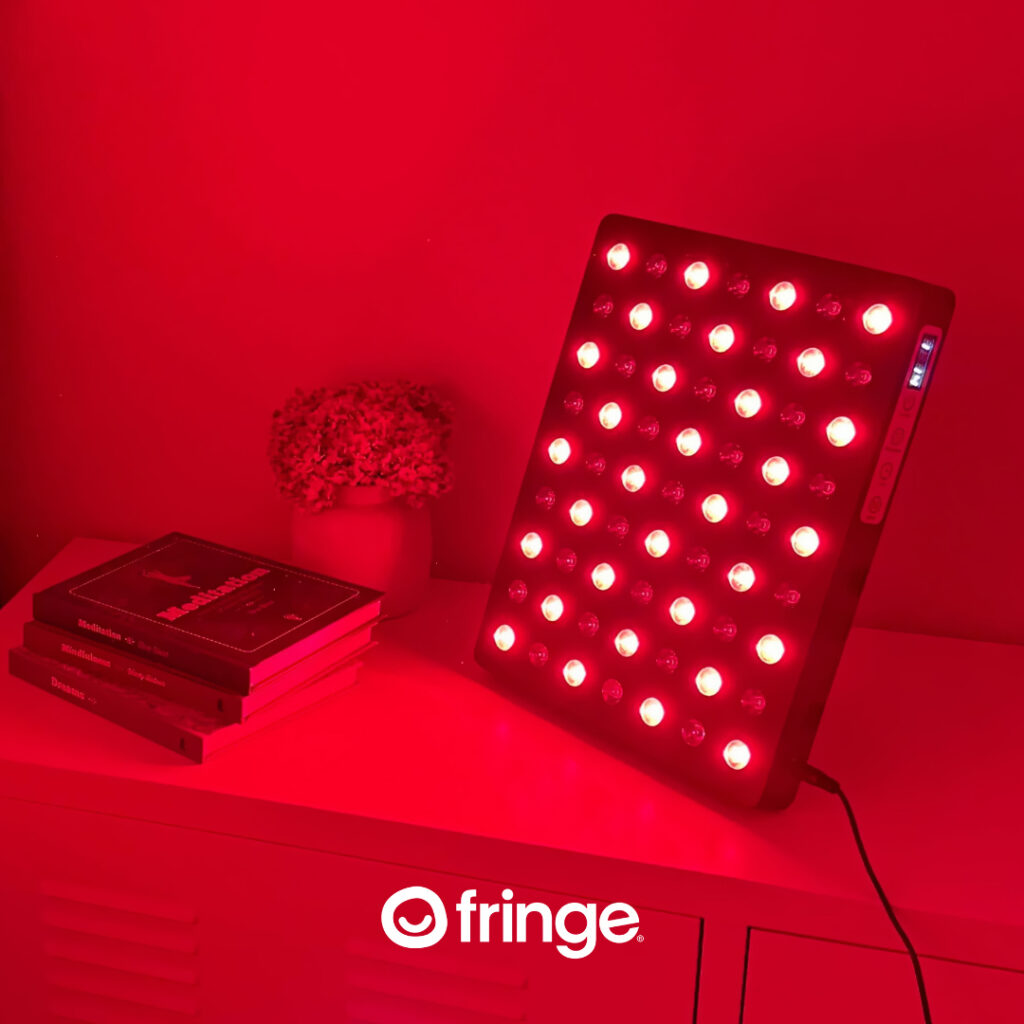
What Is Red Light Therapy, and How Does It Work?
Red Light Therapy refers to the use of specific wavelengths of red and near infrared light to influence biological function. Unlike ultraviolet light, red and near infrared wavelengths are non-ionizing and do not damage DNA at therapeutic intensities. Instead, they interact with cells through light sensitive molecules called chromophores.
Most Red Light Therapy devices use wavelengths in the red range, commonly around 630 to 660 nm, and the near infrared range, commonly around 800 to 850 nm, although some use longer wavelengths (over 1000nm) for broader effects. Red light tends to interact more strongly in superficial tissues, while near infrared light penetrates more deeply into soft tissue. For this reason, many devices combine both wavelengths. Red Light Therapy devices that target brain health sometimes use only near infrared light, due to its deeper penetration, while others use both red and near-infrared for broader effects. Consider exploring the range of Fringe Heals Red Light Therapy devices for various applications.
The best supported biological mechanism involves the mitochondria, the energy producing structures inside cells. Red and near infrared light have been shown to influence mitochondrial function, including pathways related to cellular energy production and cellular redox signaling. When mitochondrial function is supported, cells may regulate inflammation, oxidative stress, and metabolic activity more effectively.
In the brain, Red Light Therapy has been studied for its effects on energy metabolism, inflammation, blood flow, and neural signaling. These mechanisms are part of why researchers have begun exploring red and near infrared light in brain health applications, including emerging work in ADHD and autism.
What is the Shared Biology of ADHD and Autism?
Although ADHD and ASD are distinct clinical diagnoses, research increasingly shows that they share overlapping biological patterns. These shared themes do not define every individual with either condition, and neither condition can be reduced to a single mechanism. However, certain pathways appear repeatedly in the scientific studies. Understanding these patterns helps explain why interventions that support cellular energy, inflammation regulation, gut function, and sleep may be relevant in both conditions.
1. Mitochondrial Dysfunction and Impaired Brain Energy Metabolism
Mitochondria are responsible for producing cellular energy in the form of ATP. The brain is one of the most energy-demanding organs in the body, and even subtle shifts in energy metabolism can influence attention, emotional regulation, and executive function.
In ADHD, studies have reported alterations in mitochondrial activity, increased oxidative stress, and changes in brain energy metabolism. In ASD, mitochondrial dysfunction has been observed in a significant subset of individuals, including abnormalities in electron transport chain activity, altered redox balance, and increased markers of oxidative stress.
Not every person with ADHD or ASD has measurable mitochondrial dysfunction. However, cellular energy regulation appears to be a recurring theme in both conditions.
2. Increased Oxidative Stress and Neuroinflammation
Oxidative stress refers to an imbalance between reactive oxygen species and antioxidant defenses. When persistent, it can influence cellular signaling, immune activity, and neural function.
Elevated oxidative stress markers have been reported in both ADHD and ASD. In ASD in particular, neuroinflammation has been studied extensively. Post-mortem and imaging studies have identified activated microglia and altered inflammatory signaling in subsets of individuals with ASD. Neuroinflammation has also been observed in ADHD.
Neuroinflammation does not imply infection, and it does not apply uniformly to all individuals with ASD or ADHD. Rather, it reflects altered immune signaling within the brain that may interact with mitochondrial function and oxidative stress pathways.
3. Altered Gut–Brain Axis & Microbiome
The gut and brain communicate bidirectionally through neural, immune, and metabolic signaling pathways. This is often referred to as the gut–brain axis.
In ADHD, research has identified differences in gut microbiome composition and diversity compared to neurotypical controls. In ASD, gastrointestinal symptoms are common, and multiple studies report microbiome differences, altered short-chain fatty acid profiles, and immune signaling shifts linked to gut health.
The gut–brain axis is complex and not fully understood. However, microbiome composition can influence inflammation, neurotransmitter production, and metabolic signaling, all of which are relevant to attention and behavior.
4. Circadian Rhythm and Sleep Dysregulation
Sleep disturbance is common in both ADHD and ASD. In ADHD, delayed sleep phase, difficulty with sleep onset, and evening alertness patterns are frequently reported. In ASD, sleep disturbance rates are high, with research showing differences in melatonin regulation and circadian rhythm signaling in some individuals.
Circadian rhythm regulation is closely connected to mitochondrial function and inflammatory signaling. Disrupted sleep can amplify cognitive, emotional, and behavioral challenges in both conditions.
How Does Red Light Therapy Intersect with These Pathways?
This interconnected framework helps explain why researchers are exploring interventions that support cellular energy metabolism and regulatory balance across systems, rather than targeting only one symptom at a time. Red Light Therapy has attracted interest in this context because of its documented effects on all four of the biological patterns that are commonly observed in both ADHD and ASD.

1. Mitochondrial and Cellular Energy Support
The most widely studied mechanism of red and near-infrared light involves the mitochondria, and through the mitochondria, light also affects metabolism. In addition to regulating reactive oxygen species production, mitochondria also make the energy currency of the cell, called ATP. Specifically, red and near-infrared light stimulates cytochrome c oxidase, a mitochondrial enzyme that produces ATP. This increases ATP synthesis which provides more energy to brain cells. This appears to support more efficient cellular energy regulation under certain conditions.
2. Oxidative Stress Modulation
Light is absorbed in cells by molecules called chromophores, many of which are found inside the mitochondria. Mitochondria are involved in regulating the production the reactive oxygen species that cause oxidative stress when present in high amounts. Red Light Therapy has been shown to modulate oxidative stress and reactive oxygen species production.
3. Inflammation Reduction
Red and near-infrared light have anti-inflammatory effects, and studies have found that light therapy affects levels of many molecules involved in inflammation, including reactive oxygen species, reactive nitrogen species, and prostaglandins. Red Light Therapy has specifically shown to reduce neuroinflammation. Some of these anti-inflammatory effects are linked to improved mitochondrial redox signaling. Others appear to involve immune cell modulation and nitric oxide signaling pathways.
4. Gut–Brain Axis & Microbiome Support
Red and near-infrared light can be applied not only to the head but also to the abdomen. The intestinal lining is metabolically active and rich in mitochondria, and the gut microbiome interacts closely with immune and metabolic signaling systems. Animal and human research suggests that Red Light Therapy may influence microbiome composition and gut inflammatory pathways. This axis represents an additional pathway through which light exposure to the body could exert indirect effects on the brain.
5. Circadian Rhythm and Sleep Regulation
Red and near-infrared light interact with cellular energy systems and nitric oxide pathways, which may help support biological processes related to sleep quality. Research suggests that light exposure may improve sleep quality, especially when light is applied to the head. Importantly, unlike blue light exposure at night, red and near-infrared wavelengths do not suppress melatonin and are generally considered circadian-friendly. Improved sleep alone can meaningfully affect attention, mood regulation, and executive function which is highly relevant for people with ADHD and ASD
What Current Research Shows, and What It Does Not
Research on red light therapy in autism and ADHD is still early, but a small number of human and animal studies have begun exploring its effects. Below is a brief overview of the most relevant studies to date.
Several small clinical and preclinical studies have examined transcranial red and near-infrared light in autism:
Diaz et al., 2026 – In this prospective open label case series, eight weeks of near-infrared RLT applied to the head of ASD subjects ages 6-38 resulted in improvements in cognition, emotional regulation, focus, and sleep quality.
Fradkin et al., 2024 – In this randomized controlled trial, eight weeks of near-infrared RLT applied to the head in children 2-6 years resulted in statistically significant reductions in autism severity scores compared to sham treatment, with no moderate or severe adverse effects reported.
Pallanti et al., 2022 – Six months of home-based near-infrared RLT applied to the head by 21 subjects with an average age of 9.1 years was associated with improvements in autism severity, rigidity, sleep quality, attention, and reduced parental stress.
Ceranoglu et al., 2022 – Adults with high-functioning autism showed improvements in social responsiveness and executive function after eight weeks of treatment with near-infrared light applied to the head.
Kim et al., 2022 – In a mouse model of autism, red/near-infrared light reduced neuroinflammation and improved social and cognitive behaviors.
Research in ADHD is more limited, but studies have explored both human and animal models:
Huang et al., 2025 – In a rat model of ADHD, red/near-infrared light reduced hyperactivity and impulsivity behaviors and decreased markers of neuroinflammation in the prefrontal cortex.
Lai et al., 2025 – Adults with ADHD who received near-infrared light to the head for four weeks showed improvements in working memory and sustained attention performance, with mild and transient side effects.
Taken together, these studies indicate that RLT with near-infrared light can influence biological systems relevant to both autism and ADHD, including mitochondrial function, inflammatory signaling, and neural connectivity, especially when applied to the head. Early human trials suggest potential improvements in attention, executive function, and autism severity scores, and animal studies consistently show reductions in neuroinflammation and behavioral improvements. Importantly, safety signals across studies have been reassuring, with few serious adverse effects reported in either pediatric or adult populations.
At the same time, this field is still in its early stages. Most studies are small, and only one ASD study to date has used a randomized sham-controlled design. There are no large, multi-center clinical trials in either ADHD or autism, and long-term outcomes have not been well studied. Treatment protocols vary widely, making it difficult to compare results across studies.
Red light therapy should not be viewed as a cure or a replacement for established therapies. Rather, current research suggests it may serve as a complementary approach that supports underlying biological systems in some individuals.

Practical Ways to Use Red Light Therapy for ADHD and Autism
If families or clinicians choose to explore Red Light Therapy as a supportive approach in ADHD or ASD, it can be helpful to think about three areas discussed earlier in this article: brain function, gut–brain signaling, and circadian rhythm regulation.
Common approaches include:
We recommend a frequency of 3-5 times per week, although it is also safe to use Red Light Therapy daily. Some people choose to alternate locations daily, applying light to the head one day and to the gut the following day. It is also possible to apply light to both the head and gut in the same day. Because some individuals with ASD have sensory sensitivities, it may be helpful to start gradually and ensure the device feels comfortable.
Red Light Therapy should not replace established medical or behavioral care. However, emerging research suggests it may support biological systems relevant to ADHD and ASD, including cellular energy metabolism, inflammation, and circadian regulation.
Conclusion
Both ASD and ADHD involve complex interactions between brain biology, metabolism, sleep, and the gut–brain axis. Red Light Therapy is an emerging area of research that may help support some of these underlying systems.
Although the science is still developing, early findings are encouraging. For families and clinicians interested in complementary approaches, Red Light Therapy may offer a simple, non-invasive way to support overall neurological health alongside established care.